
### Blog Post:
Fortified roof requirements are rapidly changing for homeowners planning a new roof, especially in wildfire and high-wind zones. Getting your roof to pass FORTIFIED inspection is more than slapping on shingles—it’s about meeting a system-level standard that can unlock major insurance savings and give you a shot at upcoming 2026 state grants. If you want real, audit-proof outcomes (and to avoid failed inspections), here’s exactly what you need to know, step by step.
Key Takeaways
- Passing FORTIFIED isn’t just about choosing a Class A fire rated roof—it requires precise materials, sealed deck joints, and detailed installation by a certified contractor.
- State grants and insurance discounts can offset $10,000 or more in cost, but one missed step (like skipping the required tear-off or missing photos) can mean denial.
- Metal roofs with fire-rated underlayment and properly detailed edges consistently outlast shingles in wildfire and wind claims—but only when installed to FORTIFIED specs.
- What “FORTIFIED roof” actually means—it’s a system, not just shingles
- Step-by-step guide: How to qualify for insurance discounts and grants
- Advanced analysis & common pitfalls: Why most audit failures happen
- Conclusion: Is a fortified roof worth it?
- FAQ: Fortified roof requirements, discounts, and grants
What “FORTIFIED roof” actually means—it’s a system, not just shingles
There’s a reason insurance companies and state grant programs don’t just ask whether your roof is “Class A fire rated,” but require full FORTIFIED certification. The standard, developed by the Insurance Institute for Business & Home Safety (IBHS), involves a lot more than the surface material:
- Class A fire rated roof covering (metal panels, stone-coated steel, or Class A rated shingles)
- Continuous fire rated underlayment—often two layers, with resilient products like Polyglass IRXE or Versashield
- taped and sealed horizontal & vertical deck joints
- High-quality, fully sealed flashing and vent boots at every roof penetration
- Edge and valley metal to resist uplift and block ember entry
- Certified inspector must verify all steps through detailed photo documentation
When done right, certification is valid for five years and renewable, making your home eligible for insurance discounts and, beginning in 2026, potentially thousands in direct state grant support (as in Kentucky’s $10,000 program).
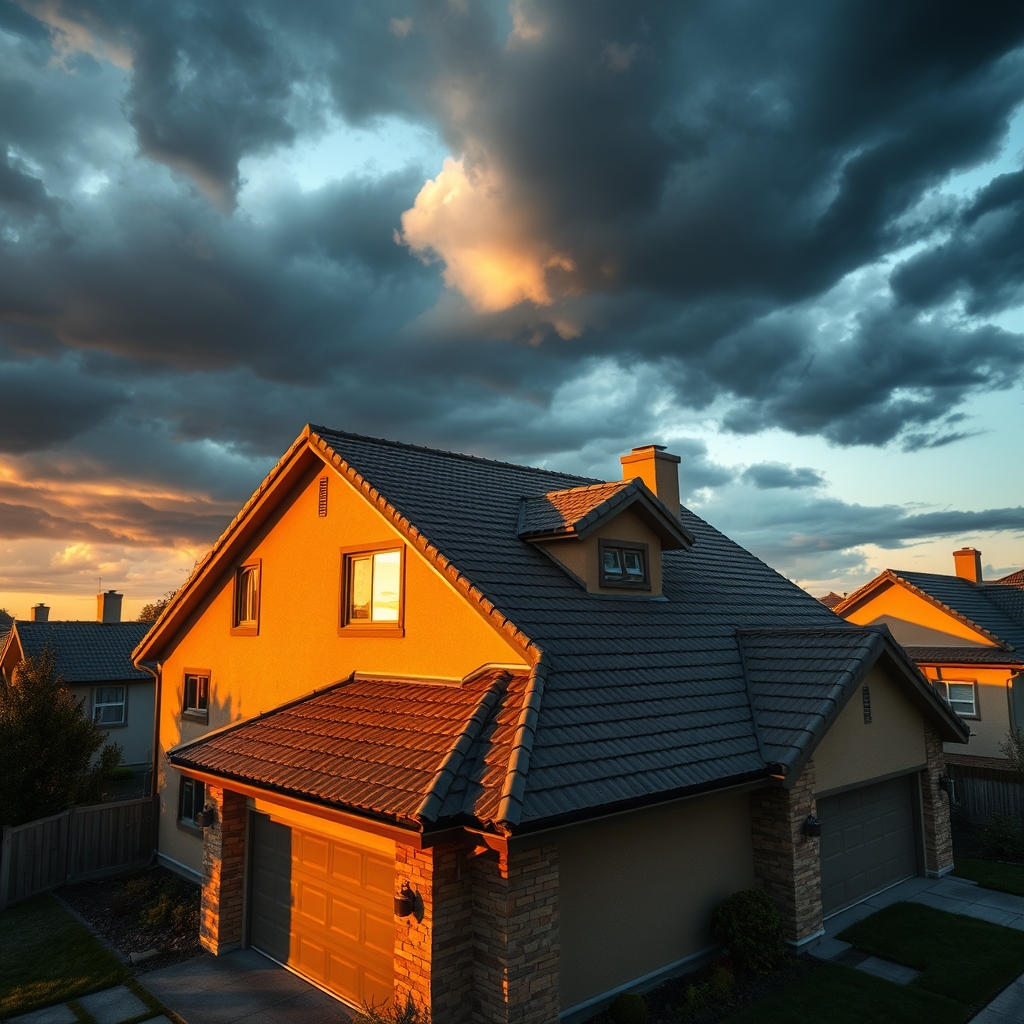
Unlike ordinary reroofs, every joint, edge, and penetration is as critical as the choice of shingle or metal. Cut corners or “partial overlays” (installing over old materials) fail inspection. Also note: The entire system gets inspected, photographed, and recorded—one missed step can void your insurance discount eligibility.
Step-by-step guide: How to qualify for insurance discounts and grants
-
Confirm eligibility and program timing.
- Find state and insurer programs for your address; for 2026, look for “roof grant program 2026” plus [Your State]. Check requirements before hiring or starting any work. State Farm and most major insurers publish these discount rules.
-
Hire a FORTIFIED-certified contractor committed to full tear-off.
- Do not accept overlays if you want a FORTIFIED roof discount or grant. Full tear-off is always required. Ask for sample paperwork and photo logs upfront—the inspector will need them.
-
Select qualified, approved materials (document everything).
- Get certificates for Class A fire rated roof materials, underlayment type, and wind uplift test rating (Class 3 or 4 shingle, or metal equivalent). Save all product receipts.
-
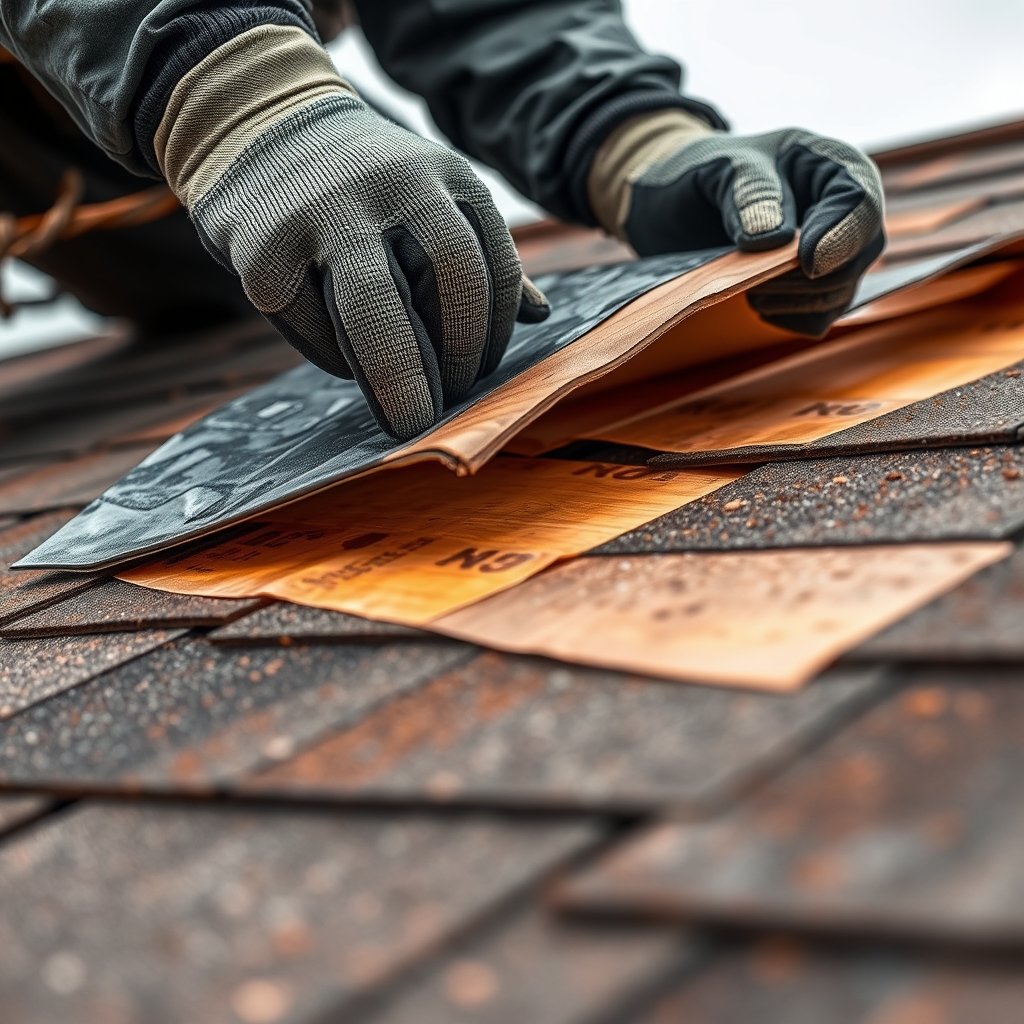
Ensure all deck joints are taped and sealed before underlayment is installed.
- This step alone prevents >60% of failed audits (see IBHS guidance).
- Use approved flashings, drip edge, and vent boots—fully sealed and documented.
-
Photograph every stage (deck, tape, underlayment, flashing, covering).
- Inspections demand time-stamped, geotagged photos for every step. Missing images = audit failure and lost insurance/grant savings.
-
Get pre- and post-inspection by a certified FORTIFIED roof inspector.
- Don’t proceed without confirming your inspector is IBHS-approved.
- Submit paperwork and confirm designation length (five years, renewable).
- Apply for state grants immediately if available. For example, Kentucky’s “Strengthen Kentucky Homes” program opens spring 2026—with up to $10,000 per home, but only for work completed by state-approved contractors and registered upfront (details here).
- Notify your insurer before and after installation. This ensures your policy is updated to reflect the FORTIFIED roof and attaches the right discount-carrying rider.
For more grant and inspection timing tips, see our insurance and audit preparation guide.
Advanced analysis & common pitfalls: Why most audit failures happen
Most failed FORTIFIED audits come down to details, not “big” mistakes. Here’s a breakdown of the most common snags—plus how to avoid them:
| Common Failure | How to Avoid | Potential Lost Savings |
|---|---|---|
| Overlaying new roof over old | Require full tear-off in contract; verify with pre-construction photos | $5,000-10,000 (grants, discounts denied) |
| Poor or missing deck taping/sealing | Use IBHS-approved tape; photograph joints before underlayment | Audit failure; entire system ineligible |
| Improper underlayment (type or gaps) | Specify fire-rated, continuous barrier (e.g. Polyglass IRXE); get receipts | Failed inspection, Class A rating lost |
| Insufficiently sealed flashings/vents/valleys | Check all boots, edge metals, and overhanging drip edges are fully sealed | Fire/ember vulnerability; revoked FORTIFIED status |
| Incomplete photo documentation | Follow IBHS photo checklist, including deck, tape, underlayment, flashings, and finished surface | Audit failure; lost discounts and grant |
| Unapproved or unqualified contractor | Verify IBHS and state certification before hiring | Grant rejection; insurer does not honor FORTIFIED discount |
Metal roof vs shingle real-world wildfire and wind performance:
- Standing-seam metal with fire-rated underlayment consistently outperforms traditional Class A shingles in both wildfire and wind events (see technical comparison).
- Shingles can meet FORTIFIED standards, but only with meticulous installation of underlayment and flashing—and require more frequent replacement after severe weather.
- Many insurers report a 35% reduction in claims and 23% lower loss severity on FORTIFIED homes; some Alabama programs report up to 55% discount on wind portions of premiums (Alabama case study).
For a detailed stepwise roofing checklist and comparison of Class A metal, shingle, and underlayment systems, visit our in-depth FORTIFIED roofing checklist.
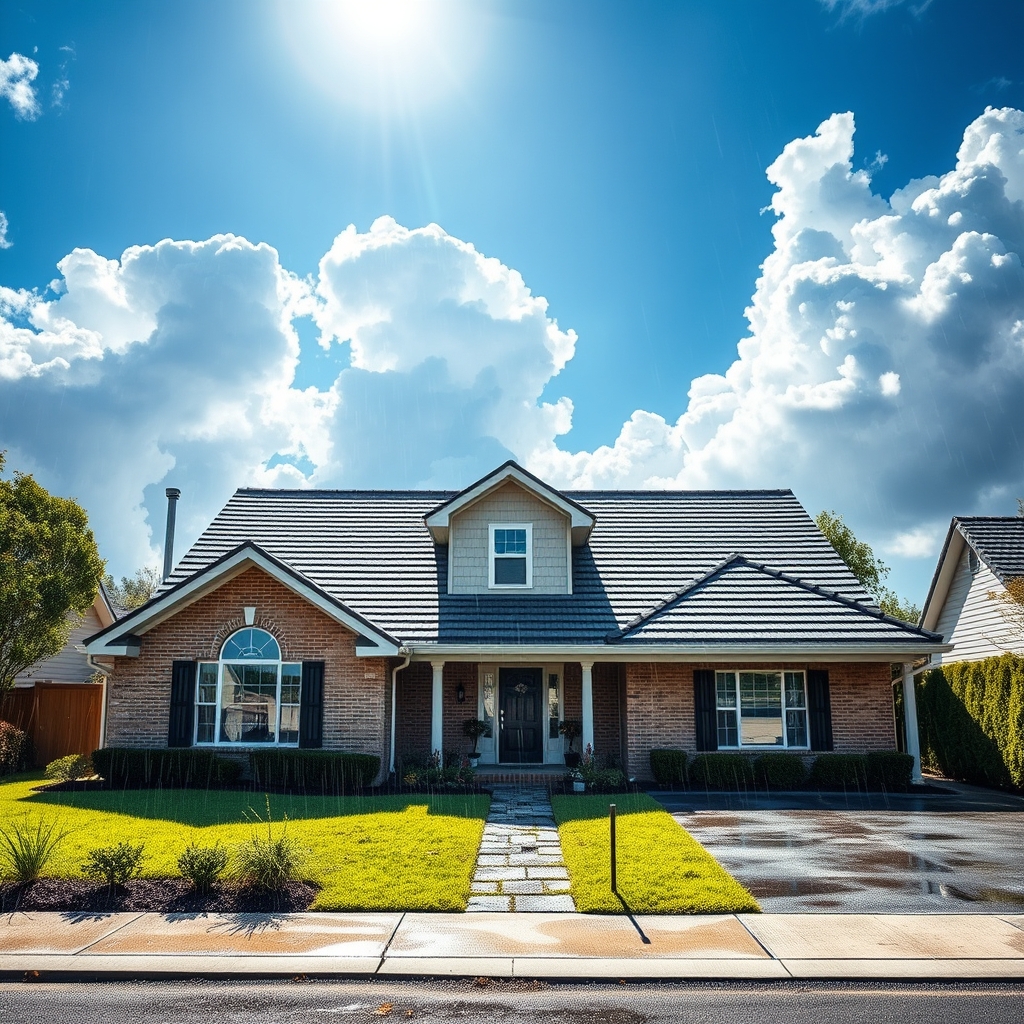
A major but often forgotten step in wildfire country is defensible space. The best wildfire resistant roofing means also using noncombustible gutters, ember-resistant vents, and metal edge details. We cover those essentials in our defensible space materials guide.
Conclusion: Is a fortified roof worth it?
If you want your next roof to win real discounts—not just create a false sense of security—follow the FORTIFIED roof pathway, not shortcuts. The pain of audit failures (like overlays or missing photo logs) can easily wipe out $10,000+ in potential savings between upcoming roof grant program 2026 incentives and FORTIFIED roof insurance discount boosts.
Bottom line: For wildfire and high-wind zones, a correctly installed and audited fortified roof is the new gold standard. Homeowners who work with certified contractors, submit every required document, and apply early for grants often see insurance bills plunge and protect their investment for decades.
Don’t go it alone—the fastest path is to connect with a reputable, state-approved contractor before your current policy or old roof expires.
FAQ: Fortified roof requirements, discounts, and grants
What is the main difference between a FORTIFIED roof and a standard Class A fire rated roof?
A FORTIFIED roof is a full system with deck taping, continuous fire-rated underlayment, robust flashings, and certified inspection. A standard Class A fire rated roof may only meet surface fire tests, not the sealed and uplift-resistant assembly required for insurance discounts and grants.
How do I qualify for the roof grant program 2026 in states like Kentucky?
You must apply before work starts, use a state-approved contractor, and meet IBHS FORTIFIED roof specs. Documentation (photos, certificates, inspector sign-off) is mandatory and must be submitted on time to avoid denial.
Do metal roofs always perform better than shingles in wildfire?
Standing-seam and stone-coated metal roofs have shown lower claims and ignition rates—but only when paired with the right underlayment and tight installation of all joints and vents. Poor installation can still fail.
What are the most common reasons homeowners fail FORTIFIED insurance audits?
Most failures are due to overlays (not tearing off the old roof), missing deck tape, use of the wrong underlayment, incomplete photo/documentation, or unapproved contractors.
How long does my FORTIFIED roof certification last, and can I renew?
Certification lasts five years and can be renewed through a new inspection and updated documentation.